The “Scacchi”
Method
The “Scacchi”
Method
Francesco Scacchi "Healthy Drinking"
In 1622 the Fabrianese doctor wrote a book about the history of oenology in our area.
Thanks to this precious volume and a great amount of experimentation, we have recreated the original method of making the sparkling wine that enhances the fragrance and intensity of the aroma and we have called it the Scacchi Method, in honour of the doctor from Fabriano.
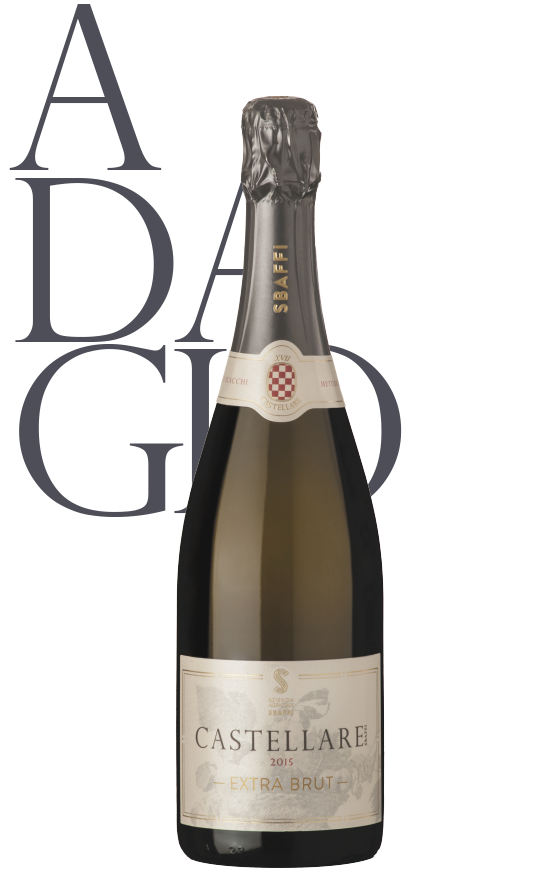
Spumante Wine
WHITE “SBAFFI”
CASTELLARE
EXTRA BRUT MILLESIMATO
ALCOHOL CONTENT
12.5% vol
GRAPES:
Chardonnay
VINIFICATION:
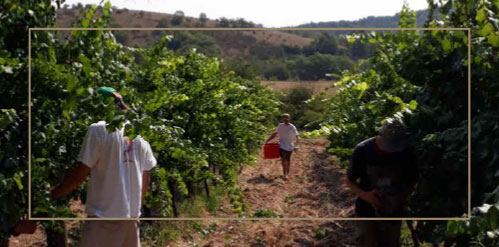
Chardonnay grapes are used, which undergo gentle pressing of whole clusters. Hand-harvested in crates. Bottle refermentation for a minimum of 60 months in the cellar. Post-disgorgement aging: 2 months.
PRODUCTION:
2.000 bottles
TASTING:
The sparkling wine shows a deep straw-yellow color. The perlage is intense, creamy, and elegant, with fine, numerous, and persistent bubbles. On the nose, it reveals remarkable aromatic freshness—intense and fragrant. On the palate, it offers a sumptuous, rich, and profound experience. Suitable for enjoyment throughout the meal, though not with desserts. It pairs beautifully with cured meats as well as fish-based dishes. Serve well chilled, ideally at 4–6°C.
24,50€Add to cart
Spumante Wine
CASTELLARE
SBAFFI ROSÉ
BRUT MILLESIMATO
ALCOHOL CONTENT
12,5%vol
GRAPES:
Sangiovese, Cabernet Sauvignon
VINIFICATION:
Sangiovese and Cabernet Sauvignon grapes are used, undergoing a short maceration of the must with the skins followed by gentle pressing (Italian-style rosé). Bottle refermentation for a minimum of 60 months in the cellar. Post-disgorgement aging: 2 months.
PRODUCTION:
2.000 bottles
TASTING:
The sparkling wine displays an intense pink color, almost coral. The perlage is creamy and elegant, with fine, numerous, and persistent bubbles. On the nose, there are pronounced aromas of red fruit and a balsamic note of eucalyptus and green pepper. On the palate, it is broad and generous, leaving long and complex aftertastes. Suitable for enjoyment throughout the meal, though not with desserts. It pairs beautifully with cured meats and meat-based dishes, especially grilled ones. Serve well chilled, ideally at 4–6°C.
24,50€Add to cart

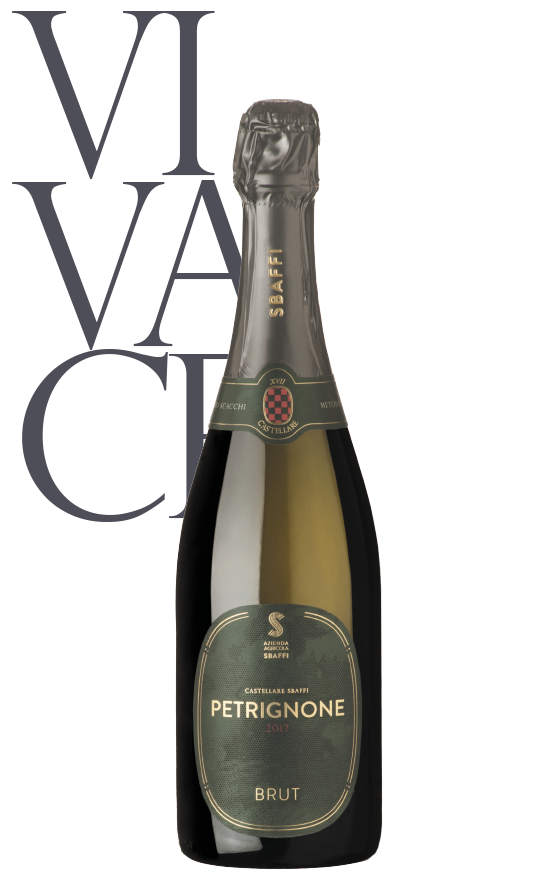
Spumante Wine
CASTELLARE SBAFFI
PETRIGNONE
BRUT MILLESIMATO
ALCOHOL CONTENT
12,5%vol
GRAPES:
Petrignone (Garofanata)
VINIFICATION:
Garofanata grapes are used, known in the Fabriano area as Petrignone. The grapes undergo gentle pressing of whole clusters, hand-harvested in crates. Bottle refermentation for at least 24 months in the cellar. Post-disgorgement aging: 2 months.
PRODUCTION:
2.000 bottles
TASTING:
The sparkling wine shows a straw-yellow color with greenish reflections. The perlage is dense and lively, with fine, numerous, and persistent bubbles. On the nose, it reveals a notable aromatic freshness—intense and fragrant. On the palate, it is savory, harmonious, and persistent. Suitable for enjoyment throughout the meal, though not with desserts. It pairs beautifully with cured meats as well as fish-based dishes. Serve well chilled, ideally at 4–6°C.
21,00€Add to cart
Spumante Wine
CASTELLARE SBAFFI
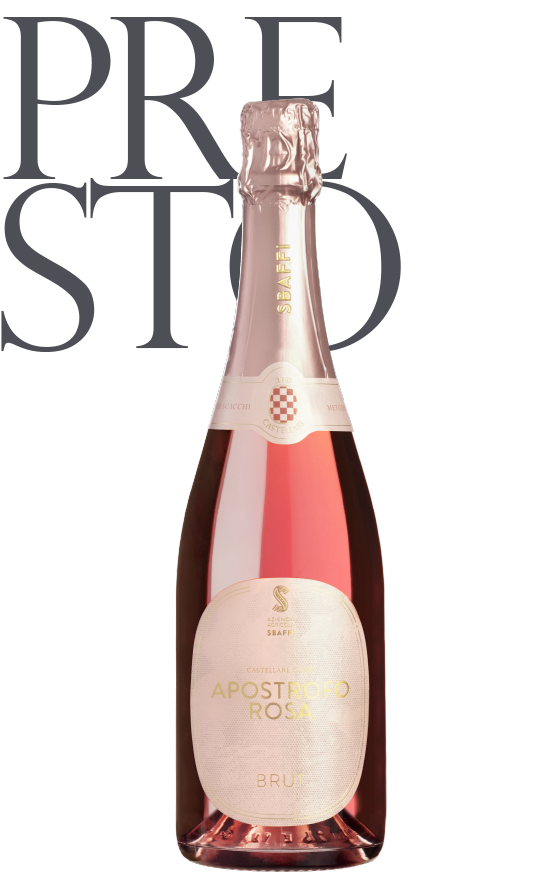
APOSTROFO ROSA
BRUT MILLESIMATO
ALCOHOL CONTENT
12,5%vol
GRAPES:
Vernaccia nera grossa
VINIFICATION:
Vernaccia Nera Grossa and Sangiovese grapes are used, undergoing a short maceration of the must with the skins followed by gentle pressing (Italian-style rosé). Bottle refermentation for at least 24 months in the cellar. Post-disgorgement aging: 2 months.
PRODUCTION:
2.000 bottles
TASTING:
The sparkling wine presents a light pink color. On the nose, it offers floral aromas and notes of red fruit (cherry, black cherry, red currant, and raspberry). On the palate, it is immediately fresh and lively, leaving a hint of green almond on the finish. Ideal for enjoyment throughout the meal, though not with desserts. Versatile, it pairs well with both meat dishes and fish—whether fried or raw. Serve well chilled, ideally at 4–6°C.
21,00€Add to cart
Recover Fabriano vines
Our company is engaged in the preservation of ancient vines and traditional cultivation methods of the Fabrianese, in particular in the vineyards we have the white Petrignone, the “grossa” Vernaccia nera, the Moscato “bastardo” and the Dolcigno or Vespaiolo vines.
Petrignone
Cited by botanists specialising in vines at the end of the 19th century, it was documented in the Fabrianese area in 1925 by Prof. Giuseppe Vivarelli. The vines that we cultivate were found in the Coccore area by taking the buds from old vines present in our area.
Vernaccia Nera grossa
A red grape variety subject to which cure to care and nurture in cultivation has recovered to be registered in the national catalogue thanks to a project of the Agricultural Institute “G. Vivarelli ”by Fabriano. The cultivated vines come from the Coccore area from gems taken from old vines present in our vineyards.
Dolcigno o Vesprino
This is a species whose recovery is still ongoing: its presence was first documented in the Fabriano area in 1925 by Prof. Vivarelli head of the Agricultural Technical Institute. The vines being used for recovery come from old vines present in our Coccore farm.
Moscato Bastardo
This vine, often used in blends together with others, was documented in the Fabrianese area in 1925 by Prof. Vivarelli. The DNA was found to be related to the Moscato di Terracina, a grape variety grown in Lazio, probably imported into the Fabrianese area at the end of the 19th century.